

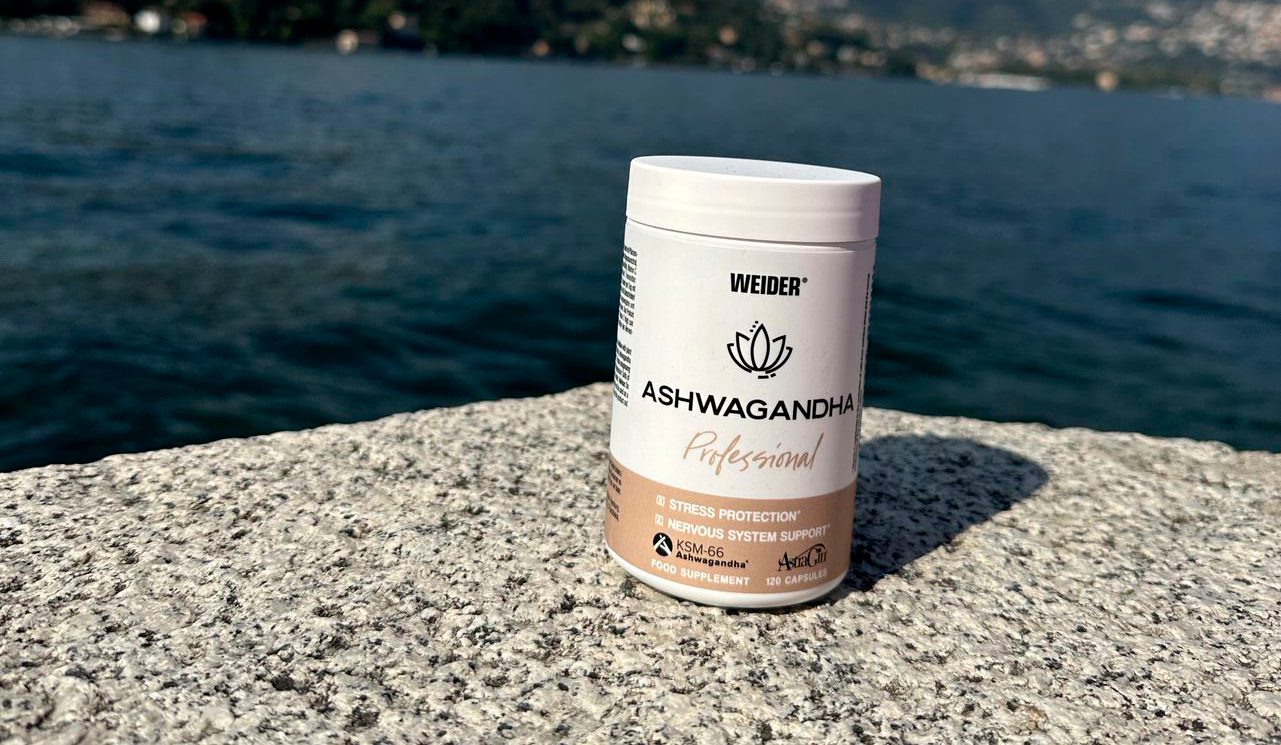
What is Ashwagandha?
Ashwagandha is a medicinal herb used in traditional Indian medicine (Ayurveda) and traditional African medicine. It is also known as Withania somnifera and is used to reduce stress, increase energy, improve concentration, and strengthen the immune system. Additionally, it has been studied for its potential benefits for mental health, sexual health, and blood sugar control.
Ashwagandha has been used in traditional Indian medicine (Ayurveda) for thousands of years and has been mentioned in ancient medical texts. It is believed that the medicinal properties of Ashwagandha were discovered empirically over time by observing its effects on people's health and well-being. In recent decades, Ashwagandha has been the subject of numerous scientific studies to evaluate its potential health benefits. These studies have demonstrated a variety of therapeutic properties, including antioxidant, anti-inflammatory, anxiolytic, antidepressant, and immune system health benefits. Although research on Ashwagandha is ongoing, there is evidence supporting its effectiveness in various aspects of health.
What is Ayurvedic medicine?
Ayurvedic medicine has its roots in India, where it has been practiced for thousands of years. The term "Ayurveda" comes from Sanskrit and means "science of life." Ayurvedic medicine is believed to have originated in the Indian subcontinent sometime between 3000 and 5000 years ago. Medical knowledge and Ayurvedic practices were transmitted from generation to generation through ancient texts such as the Vedas and other sacred Hindu books. Ayurvedic medicine remains an integral part of daily life in India and some other parts of Asia, and has gained popularity in other parts of the world in recent years.
Ayurvedic medicine is recognized by the government of India and there is a Ministry of Ayurveda, Yoga and Naturopathy, Unani, Siddha and Homoeopathy (AYUSH) that is responsible for promoting and regulating these alternative medicinal traditions. This Ministry aims to integrate these traditional practices with modern medicine, promote research in these areas, and regulate the training of professionals in Ayurvedic medicine, yoga, naturopathy, Unani, Siddha, and homoeopathy.
What are the active ingredients in Ashwagandha?
Ashwagandha (Withania somnifera) contains a variety of active ingredients that have been studied for their potential health benefits. Some of the most important bioactive compounds in Ashwagandha include:
- Withanolides: These are steroid compounds present in Ashwagandha that are believed to have antioxidant, anti-inflammatory, and adaptogenic properties.
- Alkaloids: Ashwagandha contains different alkaloids, such as somniferine, anferine, isopelletierine, etc., which may contribute to its pharmacological effects.
- Steroidal lactones: These compounds are believed to be associated with Ashwagandha's adaptogenic and anti-stress properties. These are just some of the bioactive compounds present in Ashwagandha, but they are considered responsible for its therapeutic effects. Scientific research continues to study the mechanisms of action and benefits for potential health benefits.
What are the benefits of Ashwagandha in sports?
Ashwagandha is an herb that has been traditionally used in Ayurvedic medicine, and currently, it has become popular in the world of sports and physical health for several reasons:
- Stress reduction: Ashwagandha is known for its adaptogenic properties, which means it can help reduce stress and anxiety levels. This is beneficial for athletes as chronic stress can negatively affect performance and recovery.
- Improved performance: Some studies suggest that Ashwagandha can increase endurance, muscle strength, and physical work capacity, making it an attractive supplement for athletes looking to improve their performance.
- Inflammation reduction: Ashwagandha has been shown to have anti-inflammatory properties, which can help reduce pain and inflammation associated with intense exercise, which in turn can accelerate recovery.
- Hormonal health support: Ashwagandha has been linked to improved testosterone levels and the balance of stress-related hormones, which can be beneficial for muscle growth and recovery. However, it is important to note that, although Ashwagandha can be beneficial for some people, it is always advisable to consult with a healthcare professional before incorporating any supplement into your sports or exercise routine.
What is the recommended dosage of Ashwagandha?
The recommended dosage of Ashwagandha can vary depending on the product and presentation (capsules, liquid extract, powder, etc.). However, common doses usually range from 300 to 600 milligrams per day.
It is important to note that the appropriate dose may vary for each person, depending on factors such as weight, age, health status, and the reason for taking the supplement. It is essential to follow the manufacturer's instructions or your doctor's recommendations to determine the most suitable dose for you.
Furthermore, it is important to consider that Ashwagandha can interact with certain medications, so it is always advisable to consult with a doctor. For example, Ashwagandha can lower blood sugar, so special care should be taken in diabetic patients who use medication to control their disease. The same applies to patients with high blood pressure, as it can lower blood pressure.
Ashwagandha is an adaptogen that can be taken at any time of day, depending on individual needs and preferences. Some people prefer to take it in the morning to help reduce stress and boost energy during the day, while others choose to take it at night to take advantage of its supposed relaxing effects and promote sleep.
To ensure that an Ashwagandha supplement is of high quality, it is important to consider the following aspects:
- Certification: Look for products that are certified by independent organizations or that meet recognized quality standards, such as organic certification, good manufacturing practices (GMP), or third-party certification.
- Origin and purity: Make sure the supplement comes from a reliable source and is free of contaminants or unwanted additives. High-quality Ashwagandha generally comes from pure roots and contains no unnecessary ingredients.
- Withanolide concentration: Withanolides are bioactive compounds present in Ashwagandha that are considered responsible for many of its beneficial effects. Look for products that specify the withanolide content on the label and offer a standardized concentration.
- Manufacturer's reputation: Choose products from companies with a good reputation in the supplement industry, that are transparent about their manufacturing practices, and that offer detailed information about their products.
In conclusion, Ashwagandha is a medicinal plant originating in India (Ayurvedic medicine), and thanks to an Indian Ministry (AYUSH), research is being carried out on its properties and benefits. The sports field is one of the areas of great interest for the use of Ashwagandha, as it can reduce stress, increase energy, improve concentration, and strengthen the immune system.

Dr. Alberto Sacristán
Compartir:
Healthy weight: active lifestyle and healthy eating
Optimize your performance with our new crystalline whey isolate protein