

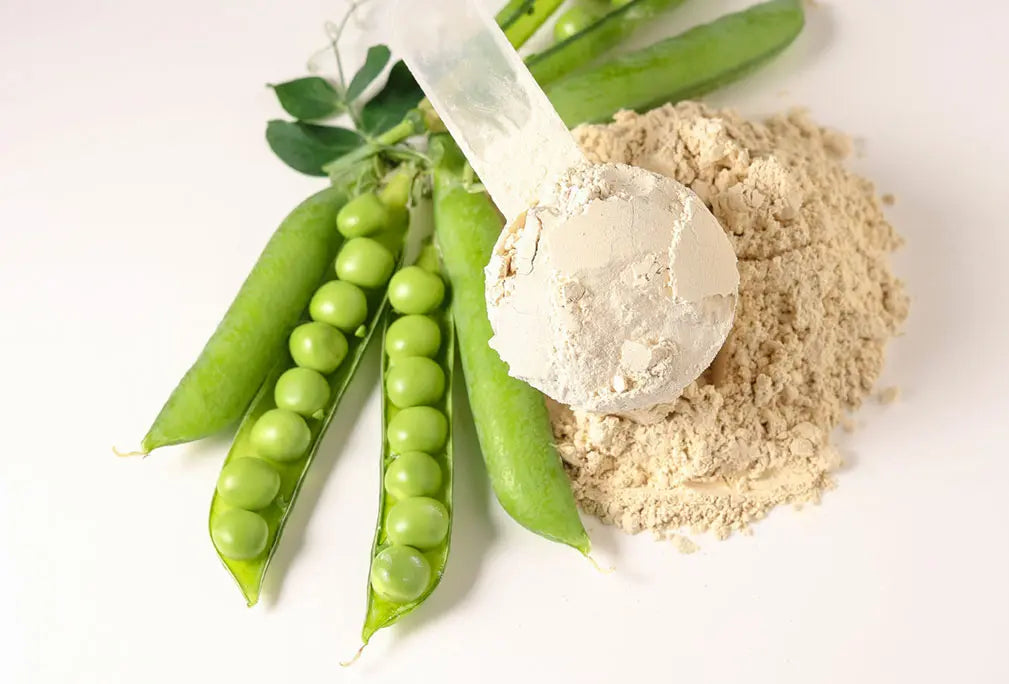
Interest in plant-based eating has grown almost exponentially in recent years. According to United Nations data, there are currently 78 million vegans worldwide, and if this growth continues, one in ten people will be vegan within 10 years. The statistics not only refer to the general population but also indicate that more and more athletes are choosing this lifestyle. High-level athletes claim to follow a diet exclusively based on plant-based foods. This also includes the growing consumption of vegan protein powder.
Why do we choose to adopt vegan or vegetarian diets?
There are countless reasons why people decide to change their eating habits. According to The Vegan Society, the top 3 reasons why people opt for a plant-based diet are:
- Prevent animal exploitation: cruelty and animal exploitation during the production of meat products or products destined for the fashion industry (furs, feathers, linings).
- Improve health: both the British Dietetic Association and the American Academy of Nutrition and Dietetics recognize that a well-planned vegan diet contains all the necessary nutrients for people of any age.
- Environmental care: reducing global warming, pollution, deforestation; or preventing water scarcity or the extinction of animal species.
Vegan diet for athletes, is it recommended?
There are many myths related to this type of diet and sports practice. A large part of the population believes that a diet based on plant-based foods can lead to a significant protein deficiency. It is true that vegan diets tend to be low in calories, protein, fat, vitamin B12, omega-3, calcium, and iodine. However, they are usually high in carbohydrates, fiber, micronutrients, phytonutrients, and antioxidants.
This type of diet can also present some difficulties in the absorption and digestibility of certain nutrients (such as protein, calcium, iron, or zinc). The only certainty is that vegans need to consume a greater quantity and variety of foods containing these nutrients, compared to omnivores or vegetarians.
How much protein do we need when playing sports?
The recommended dietary intake (for omnivores with light physical activity) is 0.8 grams of protein per kilogram of body weight. When calculating the requirements for a vegan person, considering the digestibility characteristics of plant-based proteins and the required amino acid combination, we arrive at a value of 0.9 grams of protein per kilogram of weight, which broadly represents about 10 to 15% of the total caloric intake.
In the case of athletes and people who aim to gain strength and increase muscle mass, the recommended daily protein amount is higher than 1.6g per kg of weight per day. If we analyze the typical intake of a vegan person, we find that between 10 and 12% of calories come from protein consumption. In the case of omnivores, it is between 14 and 18% of calories.
Therefore, by carrying out correct nutritional planning, and taking into account energy and nutrient needs and the appropriate use of supplementation, we can satisfactorily meet the needs of most people and athletes with a vegan diet. Provided that the diet is varied and contains: vegetables, legumes, cereals, nuts, and seeds. This way we will obtain enough essential amino acids and the necessary caloric intake.
Vegan supplements: vegan protein powder
Some studies refer to the possible need for supplementation in high-performance athletes, comparing the physiological responses between vegan, vegetarian, and omnivore athletes. In this regard, there are references comparing the intake of animal-based protein supplements (whey) and plant-based protein (pea and/or rice protein). Their effect on protein synthesis, muscle recovery, or different aspects related to sports performance is analyzed. In most cases, no significant differences were found between both groups. Both showed an improvement in performance during exercise.
Currently, we find a wide variety of vegetarian or vegan products on the market. Among them, I would like to highlight vegan protein powder, available in a wide variety of raw materials, tastes, and flavors. Generally, vegan protein powders use nuts, whole grains, seeds, and legumes to cover the protein content. Remember that the key is variety, to obtain all the essential amino acids, for this use: peas, hemp, brown rice, quinoa, pumpkin seeds, and sesame as main ingredients. Chia seeds, sunflower seeds, or buckwheat are also usually included as an extra source of vitamins and minerals.

Weider Vegan Protein
In this regard, the most outstanding option is WEIDER VEGAN PROTEIN. This plant-based protein is of the highest quality and has a great taste. It mainly contains pea protein isolate (Pisane C9™) from sustainable crops. Pea protein provides 100% of the recommendations for essential amino acids, is rich in BCAAs, lysine, and arginine. In addition, it is enriched with organic brown rice protein, characterized by its high digestibility and medium assimilation rate. This benefits the maintenance and development of muscle mass. It also allows us to achieve a protein complementation of legumes and cereals, improving the amino acid composition of the formula and offering a nutritional value comparable to whey protein.
The VEGAN PROTEIN powder is ideal for all those who wish to consume clean and safe plant-based proteins. Its sweet taste is largely due to Stevia, as it contains no sugar. Stevia is a sweetener extracted from Stevia leaves that can be up to 300 times sweeter than conventional sugar without adding calories.
It is also worth noting that as added value it contains: vitamin B12, at 50% of its daily reference intake per serving. And 100% plant-based fiber extracted from the Acacia Senegal tree, which, in addition to helping us maintain fiber intake in our diet, also regulates intestinal transit. Likewise, the product has an addition of MODCARB®, which is a next-generation ingredient made from organic cereals with a supply of nutrient-rich complex carbohydrates. These ensure utilization and modulation of glucose absorption to promote performance and prevent subsequent hypoglycemia.
Conclusions
Vegan protein powder opens an easy and practical window for planning vegan or vegetarian diets. And it allows us to meet protein recommendations and nutrient timing related to sports practice.
The versatility of protein powder allows us to prepare countless meals, not just the typical post-workout protein shakes. You can mix Vegan Protein with fruits and vegetables for a snack smoothie. Or prepare recipes such as breakfast pancakes, mug cakes, porridge, energy bars or truffles, cookies, desserts, etc. with the aim of adding an extra dose of protein in a creative and fun way.
Taking protein powder is not essential for either vegans or omnivores, as I have already mentioned, it is possible to obtain the necessary amount of nutrients through a varied diet. However, if you want to supplement or enrich your daily diet, because your routine, habits, or training loads require it, it is a good option to rely on these products.

Other related articles:
- Can you gain muscle mass with vegan protein?
- Consuming high-protein plant-based foods is easier than you think
- Why choose pea protein over others?

Compartir:
Is hydrolyzed collagen consumption recommended for athletes?
Which protein bars are recommended?