

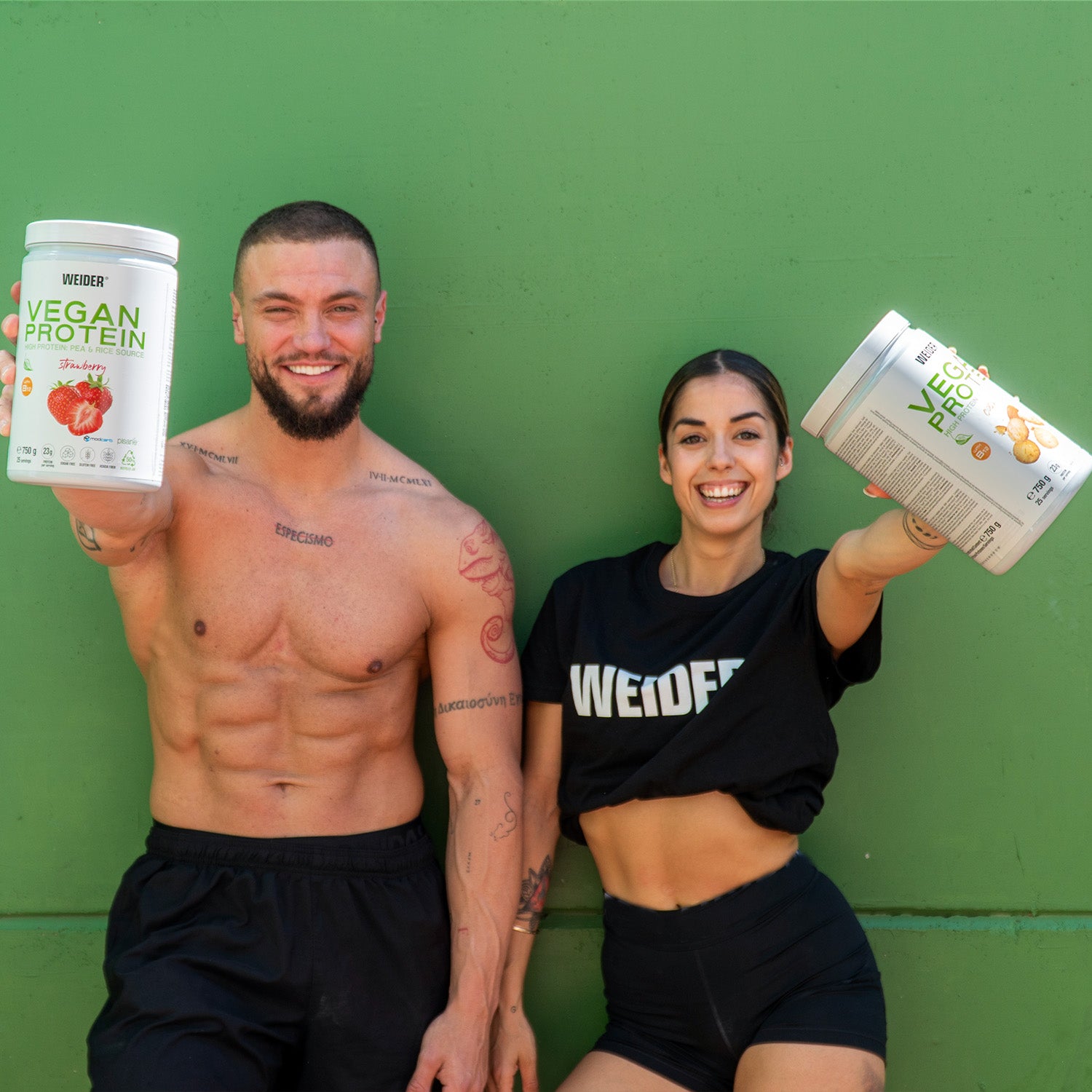
Proteins play many vital roles in the bodies of athletes. Daily intake through protein-rich foods is necessary, not only to maintain muscle structure and enable optimal function during sports performance, but also for post-exertion recovery and the formation of various body tissues and organs. Plant and animal proteins not only constitute the structural components of our cells and tissues, hormones, and enzymes that enable proper bodily function, but are also a fundamental part of the immune system.
Proteins are composed of hundreds of amino acids, 20 different types, 9 of which are considered essential, meaning our bodies cannot produce them. These amino acids are found in plant and animal-based foods and are classified as essential or non-essential. Non-essential amino acids can be produced by the body using other amino acids, but essential ones must be obtained through diet. Therefore, we need to consume protein daily to supply amino acids for the growth and maintenance of our cells and tissues. Our dietary protein requirement changes throughout life and should be higher in relation to the physical activity we perform, especially its duration and intensity.
Plant-based and animal proteins vary in quality depending on the essential amino acids they contain and their quantity in different foods. The recommendation for all athletes is to consume proteins from a variety of sources, i.e., to eat a varied diet.
However, scientific evidence* suggests that the origin of the foods we eat should be primarily plant-based, which will benefit both health and the planet.
Reducing meat consumption is an emerging trend in a society that is educated and committed to health and sustainable development of the planet, which is why many and an increasing number of athletes are advocating this practice.
While the quality of a protein is determined by the proportion and percentage of essential and non-essential amino acids it contains, it is a mistake to believe that consuming plant-based proteins will lead to a deficiency of essential amino acids.
Animal-based proteins are considered high-quality proteins because they contain all nine essential amino acids. In this sense, it is true that some plant-based proteins are incomplete, requiring a combination of different plant foods to ensure all essential amino acids are present to enable muscle protein synthesis. But this is not a problem because throughout the day it is very easy to provide all essential amino acids through a varied intake of plant foods. In this regard, combinations of cereals and nuts, or mixtures of vegetables and/or legumes, such as traditional lentils or beans (limited in methionine, but high in thiamine or lysine), with rice (limited in lysine and thiamine, but high in methionine), varied salads with nuts, oats, or legumes, or typical Hawaiian Pokes with a Spanish twist, widely ensure daily essential amino acid needs. This is one of the strategies to increase the anabolic capacity of proteins.
Is animal or plant-based protein better for athletes?
Recent studies* have shown no differences. Comparing whey protein supplementation with soy protein supplementation after a resistance training program, muscle protein synthesis was similar. Both groups improved muscle mass except for the control group, which did not consume protein supplements after training.
Athlete: it does not matter whether the protein you consume is plant or animal-based, the important thing is to provide quality protein in the right amount daily, and to ensure this it is important to supplement.
But from the point of view of our planet's sustainability and health, the choice of the origin of the proteins we consume is important. Obtaining plant-based proteins requires fewer resources, being much more economical to produce, generating fewer harmful gases for the atmosphere, and they are also healthier.
In my opinion, I do not recommend endurance athletes completely avoid animal-based proteins, but rather change the basis of their eating habits, giving more priority to plant protein sources. This will help you improve your health, performance, and the planet.
Keep in mind that there is no scientific evidence* that following a predominantly plant-based diet and consuming plant-based protein leads to a reduction in athletic performance.
Strategies for athletes who want to prioritize vegetable intake and increase the anabolic properties of plant-based proteins.
- Combination of legumes and vegetables with rice, oats, or quinoa, which improves amino acid profiles.
- Consumption of larger quantities of plant-based protein sources.
- Prioritize plant-based protein sources, but without completely rejecting the intake of protein foods such as lean dairy products and eggs, to achieve a more balanced amino acid profile.
- Reinforce plant-based protein sources with supplements containing essential amino acids, especially leucine, but also lysine and methionine.
- Distribute protein intake throughout the day, including protein foods in all meals. A good reference is to try to consume 20-25 grams per meal; if not possible, resort to a protein snack or shake.
Veteran athletes vs. sarcopenia
As we have mentioned, protein needs vary throughout life, and veteran athletes must increase their daily protein intake.
Sarcopenia is a disorder associated with older adults, characterized by progressive loss of muscle mass, leading to a reduction in physical abilities and a decline in athletic performance.
The risk of sarcopenia is combatted by a higher daily protein intake, as it is essential for the repair and maintenance of muscle mass. Increasing protein intake and adapting physical activity to age are crucial for maintaining muscle mass and combating the loss of muscle strength and endurance as we age.
Endurance athletes must ensure adequate protein intake through a balanced, predominantly plant-based diet, and use protein supplements to ensure the necessary quality and quantity without excessive calorie intake.
Conclusion
Protein is essential for life. Providing the necessary essential amino acids daily is necessary for the maintenance of our muscles and other tissues. Our protein requirement depends on our level and demands of sports practice and the stage of life we are in.
Given that scientific evidence* equates the anabolic capacity of plant protein with that of animal origin, we should consume more plant protein. This recommendation will lead to an improvement for the planet and for health, making it very clear that it will not result in any reduction in sports performance.
The best strategy is to prioritize plant foods rich in proteins from various sources and consume them before, during, and/or after resistance exercise. With the intake of protein snacks and supplements throughout the day, you ensure the necessary quantity and quality of essential amino acids.
References:
Alexander Pohl et al. The Impact of Vegan and Vegetarian Diets on Physical Performance and Molecular Signaling in Skeletal Muscle. Nutrients. 2021
Stephan van Vliet et al. The Skeletal Muscle Anabolic Response to Plant- versus Animal-Based Protein Consumption. Journal of Nutrition. 2015
Paul T Reidy and Blake B Rasmussen. Role of Ingested Amino Acids and Protein in the Promotion of Resistance Exercise–Induced Muscle Protein Anabolism. Journal of Nutrition. 2016
International Society of Sports Nutrition Position Stand: protein and exercise. Journal of sports nutrition 2017
Compartir:
Non-traumatic upper limb injuries in cycling
Healthy weight: active lifestyle and healthy eating