

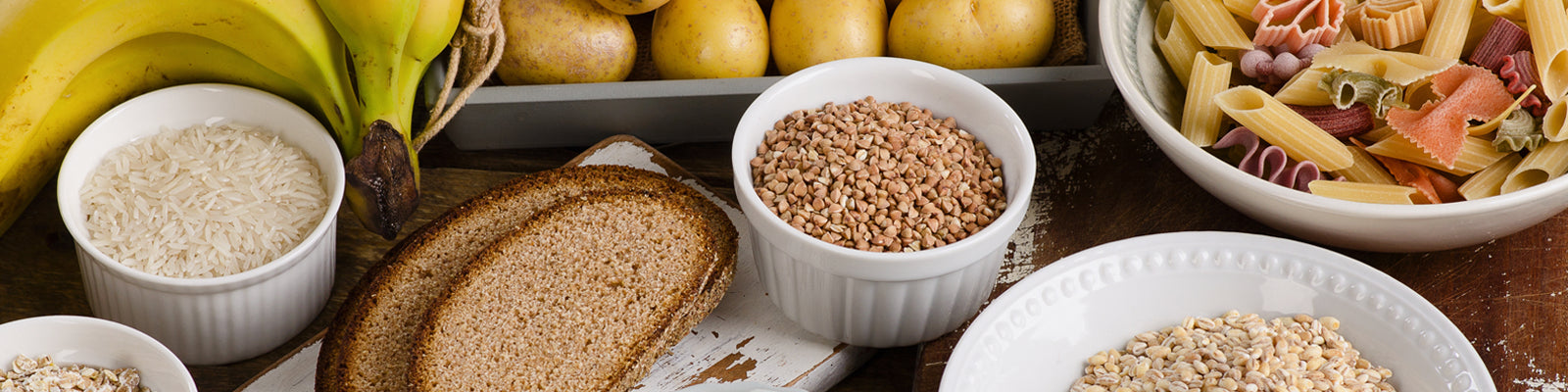

We've all heard the myths that eating carbohydrates at night can cause weight gain or an increase in body fat.
Our body is adaptable and intelligent, and weight loss or gain depends on a variety of factors, from activity level to the quantity and type of calories consumed.
What happens when we eat carbohydrates at night?
The logic behind this is that when we go to sleep, the calories we ingest will not be burned and will therefore turn into fat. But scientific evidence shows that our metabolic rate increases when we are in the REM sleep phase. [link]. Furthermore, at night our body works on tissue repair and muscle gain while we sleep, so our metabolism is not completely at rest. This is true, however, if you are an active person during the day.
Another reason why eating carbohydrates at night can be beneficial is the balance of cortisol in the blood. Cortisol is the blessed stress hormone that, when elevated, inhibits body fat loss and muscle mass gain. This is because consuming carbohydrates at these times of day causes an increase in serotonin and melatonin, two neurotransmitters responsible for generating feelings of well-being and sleep. And this is when our cortisol hormone regulates along with ghrelin (the hormone that stimulates appetite).
Insulin Sensitivity
There's also the issue of insulin sensitivity and glucose tolerance. Glucose and insulin levels remain elevated longer at night compared to a morning meal. But even though they seem to worsen at night (compared to a morning meal), it's important to note that overnight fasting can improve insulin sensitivity.
Therefore, a fairer comparison is a midday meal versus an evening meal, and in this case, there is no difference in insulin sensitivity. That is, it seems that insulin sensitivity is not impaired at night, but rather it is simply boosted by overnight fasting.
Conclusions
Our body does not have a controlled schedule to determine from what time we start accumulating certain foods as abdominal fat. Your body composition is defined by the overall foods eaten throughout the day, plus the balance of nutrients ingested, and other factors such as sleep, exercise, physical activity, stress. Not just by the consumption of carbohydrates or any food you eat at night.
The problem lies in the fact that eating at night is often associated with emotional and compulsive eating. We even use it to relax, and this is where we choose unhealthy foods, leaving aside those that should be consumed: vegetables, fruits, legumes, potatoes, sweet potatoes, rice, whole grains, yogurt. All of these fall into the category of quality foods for any time of day, as long as there is a balance.
I hope you liked it!

Compartir:
The Lean Protein Plan
Eat breakfast according to your training goals