


The immune system, like all others, needs a constant turnover of its cells and protein components. This turnover is even faster than in other bodily systems. Most or much of the immune system has to regenerate every day. The immune system also depends, to a greater extent, on the supply of adequate nutrients: amino acids for protein synthesis, fats and carbohydrates for energy production, and vitamins and minerals for cell growth functions and protein synthesis as well.
Nutrients and the Immune System
Amino Acids

Amino acids are also used in the synthesis of various immune substances. Antibodies are proteins that bind to substances called antigens and enhance our immune system's ability to kill bacteria and viruses.
If amino acid intake is inadequate, the only option we give our body is the breakdown of muscle proteins, leading to tissue destruction and its serious consequences.
In summary, a state of protein malnutrition affects the immune system in its cell replication function, reducing the immune response. Furthermore, caloric malnutrition limits immunity, which increases opportunistic infections and mortality in malnourished patients.
Protein-caloric deficiency has an effect on the immune system similar to that caused by AIDS. Such is the synergy, that protein-caloric prevention and treatment is an important part of the care provided to patients with Acquired Immunodeficiency Syndrome.

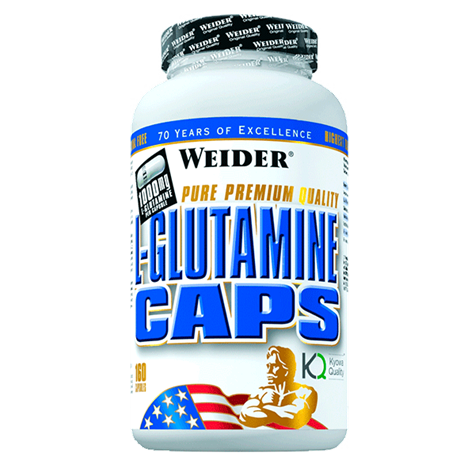
There is a unique amino acid that has at least 2 different functions in the body, both important for the immune system: glutamine.
Glutamine, firstly, is the preferred energy source for rapidly proliferating cells. As a second function, glutamine acts as a nitrogen donor in protein synthesis.
There is increasing evidence that glutamine is one of the crucial nutrients for immune system cells.
In clinical studies, it has been shown that there are fewer nitrogen losses and fewer infections in bone marrow transplant patients when they receive glutamine supplements.
Vitamins and Minerals
As for the minerals and vitamins that improve our immune system, these include: selenium (Se), vitamin E, copper (Cu), calcium (Ca), vitamin A, and zinc (Zn).
In addition, fatty acid deficiency negatively affects our immune system.
Obesity is related to decreased immunity. Overweight patients are at higher risk of bacteremia and infections. This obesity is a risk factor for poor wound healing during post-operative recovery.
We can boost the immune system's capacity with the following nutrients:
- GLUTAMINE
- OMEGA 3 FATTY ACIDS
- Polyunsaturated FATTY ACIDS
- Branched-chain AMINO ACIDS BCAA
Finally, it should be kept in mind that a balanced diet rich in essential nutrients ensures our immune system an adequate defense against infections.
Compartir:
Know thyself
One of the places where an athlete's dreams come true