

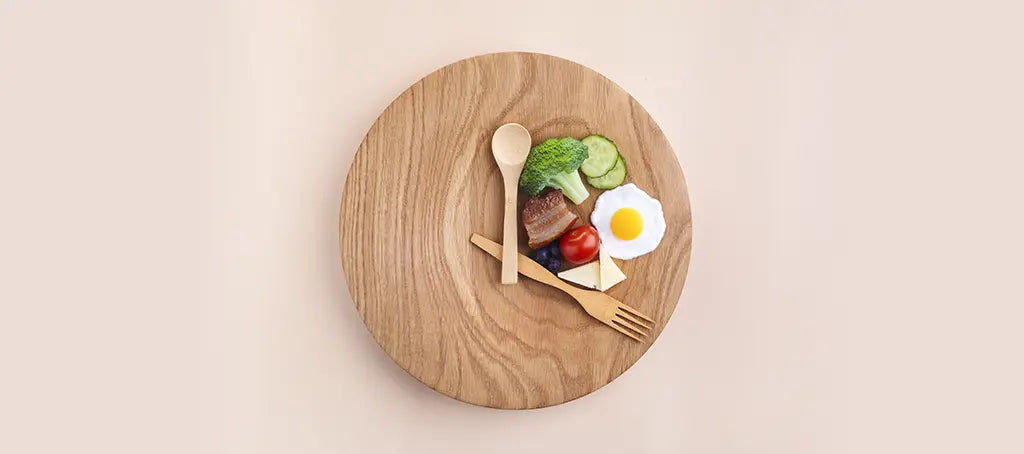
Intermittent fasting is becoming more widespread, and people who practice it or want to incorporate it into their daily lives are asking more questions. Therefore, we are going to look in detail at what can be consumed during intermittent fasting.
Do we understand what "Intermittent Fasting" means?
Before getting into the specifics, I want to clarify the concept of intermittent fasting. As its name indicates, intermittent fasting is an eating pattern that goes in cycles, with periods of fasting and eating. Strictly speaking, it is not a diet, but rather a meal plan. It doesn't tell you what to eat, but you have to focus on when you eat.
Fasting is not a new idea: many religions have practiced different forms of fasting for centuries. However, it has recently experienced a revival among health-conscious individuals who see it as a form of detoxification to look and feel better.
What can I consume while fasting?
In this article, the goal is to understand what can be consumed during intermittent fasting, that is, what you can eat or drink when you do it:
- During your eating window, it is advisable to follow a balanced diet that provides your body with the nutrients it needs.
- It is not recommended to overindulge or eat compulsively.
When you fast, your body undergoes a series of metabolic changes. After a certain number of hours since your last meal, your body enters ketosis, a state in which fat is used as energy when carbohydrates are not available.
Next, we will look at which foods and beverages are least likely to negatively affect your fast.
- Water. Plain or carbonated water contains no calories and it is essential that you drink it to stay hydrated.
- Coffee and tea. You can drink them as long as you don't add sugar or milk.
- Diluted apple cider vinegar. You can mix one or two teaspoons with water to help you stay hydrated and curb cravings. I also recommend our Apple Cider Vinegar gummies, Apple Cider Gummies, which we recently launched.
And after fasting?
Once the fasting period has passed, typically 16/8, it is very important what kind of foods we incorporate into our diet. Here are some tips to complement your meal plan with fasting intervals and an anti-inflammatory diet:
- Fruits: all types, but especially prioritizing seasonal fruits.
- Vegetables: prioritize green ones such as asparagus, spinach, kale, zucchini… but as in the previous case, choose vegetables that the earth provides in each season.
- Whole grains: such as rice, oats or tubers. Try to improve the quality of your carbohydrates, cook them and let them cool for at least 12 hours, then give them a quick reheat and eat them.
- Legumes: lentils, chickpeas, peas…
- Healthy fats: prioritize their consumption in greater quantities than carbohydrates. Avocado, olive oil, ghee, whole egg, olives, dark chocolate or nut butters.
- Plant-based protein: reduce meat and fish consumption. Prioritize good quality processed products such as smoked tofu, tempeh, Heura, textured soy…etc
The animals, your health and the planet will thank you.
Less recommended foods:
- Meat or fish.
- Reduce or eliminate dairy consumption: prioritize goat or sheep in any case.
- Avoid gluten consumption.
- Eliminate fried foods.
- Refined sugar should not be consumed.
Do you dare to incorporate these tips along with intermittent fasting for 21 days? Try it and tell me how you feel.
Thanks for reading.

Other articles you might be interested in:
- Keto diet, what does the diet for weight loss consist of?
- Menu ideas for keto diet and intermittent fasting
- Why you should include MCT oil in your diet?


Compartir:
9 exercises to prevent annoying back pain
2022, a new year with a new focus on our goals: HEALTH