

Who hasn't heard of fasted training? While many flatly deny its benefits, others faithfully believe in this strategy. But what does scientific evidence say?
What is fasted training?
For those unfamiliar with it, fasted training is a strategy applied to cyclists, runners, and even triathletes, with the aim of promoting greater fat utilization during exercise, and thereby improving the fat burning process. In other words, are only benefits related to fat and body weight expected? No, it actually goes beyond that.
Two years ago, I decided to research this topic further through my Master's thesis project. I worked with two runners who completed a 10 km race before the experiment. Anthropometric measurements such as weight, skinfolds, perimeters, and diameters were taken, as well as various running tests measuring metabolic and performance variables such as running economy, blood lactate, and speed.
The experiment lasted 6 weeks, culminating in another 10km race. The results we found included an improvement in body weight and body fat compared to the other subject who did not perform fasted training (but it wasn't a significant difference). The positive changes were found in competition thresholds, meaning improvements that allowed for greater speed in the 10 km race. Of course, my conclusions were that this type of strategy can offer an improvement in performance for running efforts.
Does it really work?
Today, there is a lot of evidence, but it's primarily about endurance athletes (cyclists, triathletes, etc.) and not relatively active people who want to lose body fat. Scientific evidence speaks about positive results regarding:
- an improvement in fat oxidation rate
- an increase in enzymes involved in lipolysis
- a decrease in intramuscular triglycerides (fat)
- an increase in hormones that stimulate fat mobilization (lipolysis)
However, almost none of the studies (except for one or two) demonstrated a direct benefit of body fat loss. That is, there is no truly sustainable scientific evidence to show that implementing this type of strategy increases body fat loss.
And the simple reason is that no matter how much fat mobilization occurs during fasted training, the body CANNOT use all these fatty acids for energy. Therefore, they are stored again as fat, because the recommended intensity for this strategy does not require much energy (such as a HIIT).
Conclusion
In my opinion, fasted training has been misunderstood. While it is true that positive results can be obtained in performance for athletes (race time, submaximal capacity, etc.), it is not for active people who exercise a few days a week and want to lose more fat/body weight. There is very little scientific evidence to support the benefit at the body composition level.
However, it's not all negative; fasted cardiovascular exercise can help prevent diabetes problems, it can even activate us in the morning, and we also have more free time throughout the day.
If you are a person who doesn't mind exercising without having breakfast, I recommend the following:
- The training should be low to moderate intensity cardio, meaning brisk walking or jogging.
- The day before, you should have consumed a dinner with at least one serving of carbohydrates.
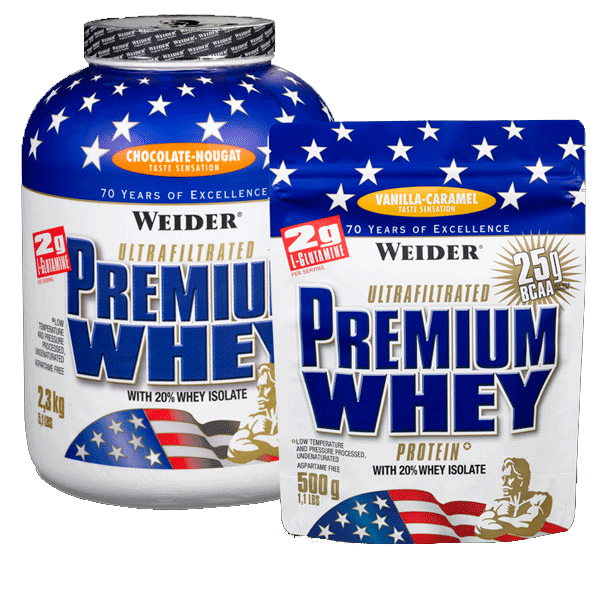
- Recover after training or breakfast with a whey protein with glutamine to aid muscle recovery, such as Weider's magnificent Premium Whey.

For other cardiovascular exercises such as HIIT, which has a lot of evidence regarding fat loss, it is better not to do it on an empty stomach.
I hope that with this article you have learned a little more about this topic and that it helps you draw your own conclusions.

Compartir:
Meat alternatives in a vegetarian or vegan diet
Why BCAA 8:1:1?