

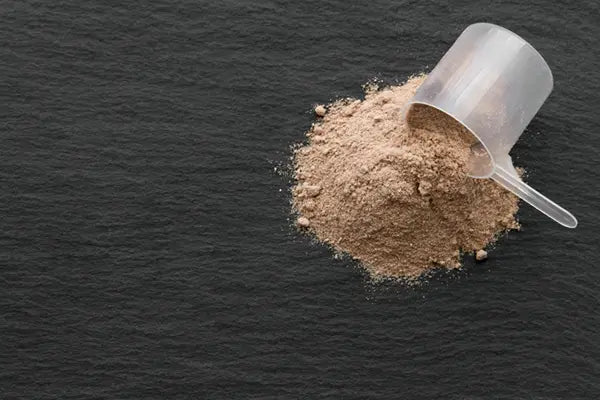
All macronutrients are fundamental and important for our health and athletic performance (PROTEINS, FATS AND CARBOHYDRATES). In this specific article, we are going to focus on explaining how to better assimilate protein.
In Fitness and Bodybuilding, PROTEINS become even more important, as they are responsible for increasing our muscle mass and strength. But proteins go much further, they perform the most functions in our body. And not just for building muscle! Let's see what they are.
Functions of protein in our body
- Defensive function, such as immunoglobulins or antibodies, which are proteins.
- Digestive function. Digestive enzymes are proteins.
- Regulatory function. Many hormones are proteins, as is growth hormone.
- Storage function, such as proteins whose function is to store iron in the liver.
- Energy function. It is not their main function, but they can be used for energy production to maintain vital constants, for example.
Therefore, knowing all this, it is even more important to know how to better assimilate protein and improve its absorption and digestibility.
How to improve protein absorption?
- Subject food to heat treatment, as with eggs, for example. If we eat raw eggs, both their digestibility and nutrient absorption are very low (besides the fact that eating raw food can be a health risk).
- When it comes to powdered protein like a Whey or a Casein, it's different. If subjected to high temperatures, it denatures, and some amino acids are altered. But it is safe to consume them, meaning you can still perfectly use them for your fitness recipes or your oatmeal crepe.
- Eating more protein will not necessarily lead to increased muscle or strength. Approximately 25 to 30 grams per serving is ideal (always depending on each person, this is just a generalization).
- Post-workout meal is essential, as this is when our body best assimilates all nutrients. Taking protein along with carbohydrates is highly recommended for proper recovery and to help our body build muscle. I always say that after training, our muscles are like "sponges," absorbing nutrients faster than ever... that's why a fast-absorbing isolated protein is recommended.
- Start with good digestion. And where does digestion begin? IN THE MOUTH, BY CHEWING FOOD WELL. Eat slowly, chew, savor... you are making it easier for your stomach and digestive system in general for proper assimilation.

What foods are recommended to take with protein?
There are also foods that help us to assimilate proteins better, such as:
- Papaya: contains papain, an enzyme similar to pepsin, which makes proteins transform into amino acids more quickly.
- Pineapple: contains bromelain, an enzyme that acts like papain.
- Kiwi: high in actinidin *.
- Figs: rich in ficin *.
- Foods rich in Vitamin B: such as legumes, seeds and nuts, spinach, and all green leafy vegetables in general, etc.
These are our recommendations for making the most of the benefits of better protein assimilation.

Other articles that may interest you:
- Protein Shakes for Everyone
- Make Better Use of Quality Protein Depending on How You Train
- What is Concentrated Whey Protein For?
- Concentrated Protein vs. Isolated Protein. What's Behind Your Shake?
RELATED PRODUCTS


Compartir:
How to mentally cope with not achieving our goal
Transformation through a home workout