

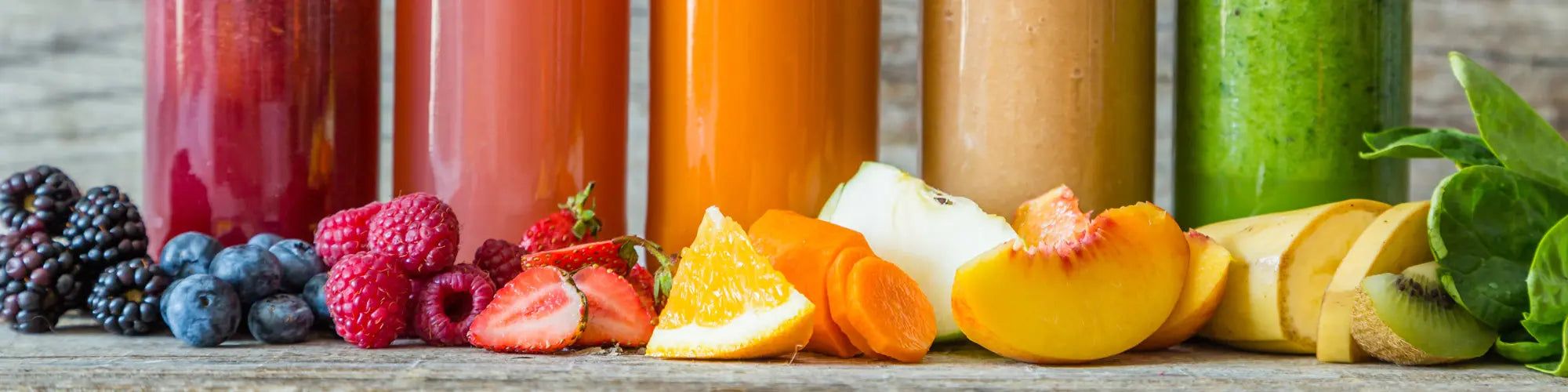
Does fruit make you fat? This is one of the questions we've been asking ourselves more and more in recent years. Fruit is one of the most nutritionally rich foods available; however, due to its sugar content, it's often on the "forbidden" list when it comes to weight or fat loss.
Debunking myths about fruit
Today, many people are convinced that fruit makes you fat, due to the nutritional myths prevalent on the internet. Even a few "experts" claim that fruit has special qualities that directly lead to fat storage (one of them being Dr. Robert H. Lustig).
But what does science say about this?
First, let's start with fructose, a simple carbohydrate that, along with glucose, forms sucrose (table sugar). It's true that consuming a high amount of refined sugars (including fructose) can cause health problems. In fact, sugar can have addictive properties that can lead to cravings, anxiety, and withdrawal symptoms when eliminated.
Research on fructose consumption has concluded that its intake can play a significant role in the development of conditions like hypertension, diabetes, cardiovascular disease, and obesity. However, when you read the studies in detail, the dosages of fructose needed to produce these negative effects are quite high, not to say exaggerated, making it impossible to reach those amounts through fruit consumption.
One study showed that a high-fructose diet for 7 days increased fat deposits in the liver and muscle. But what alarmist magazine articles don't show is that to reach that level of consumption, people would have to eat around 80 cups of strawberries, or 45 bananas, or 26 apples, and I don't think I've met anyone yet who can consume that much fruit.
Does fruit make you fat?
No, in fact, this statement is not even supported by studies. One of the largest investigations, which reviewed 31 trials, concluded that fructose from fruit does not make you fat or cause weight gain, as long as it is not consumed in excess.
What are the benefits of eating fruit?
- Each daily serving of fruit can reduce the risk of coronary heart disease by 7%.
- Higher fruit consumption may be linked to lower body weight.
- Due to its fiber content, it regulates blood sugar and insulin response.
- It provides satiety, some more than others, depending on the type and amount of fiber.
- Many vitamins and minerals, and many of them provide antioxidant properties.
Is consuming whole fruit the same as fruit juice?
No, it will never be the same. In fact, the properties of satiety and therefore body weight are due to the amount of fiber, which is reduced when fruit is prepared into juice.
Depending on whether it is blended and all the fiber is removed, higher insulin spikes can occur, and consequently, the microbiota can be affected, increasing the risk of diabetes.
In addition to this, to get a 200 ml glass of orange juice, you need much more than just one orange; you typically need 3-4, which adds up to 210-270 calories instead of the 60 calories you get from one orange.
Therefore, if we are on a weight loss plan, it is better to moderate its consumption.
In conclusion, a healthy eating plan should always include its portions of fruit. Besides providing countless health benefits, it will help make your diet colorful and more appealing.
There's no better sweet than a fruit, so enjoy it!

Compartir:
Vegan Berry-Flavored Snack
Anny GC bikini athlete Team Weider